Broughton History

Broughton, a village in Flintshire, Wales, has a history that is deeply rooted in its agricultural and industrial heritage. The name "Broughton" is believed to derive from Old English, meaning "brook farmstead" or "fortified farmstead," indicating its early significance as an agricultural settlement. Historically, Broughton was a small rural community with its economy largely based on farming.
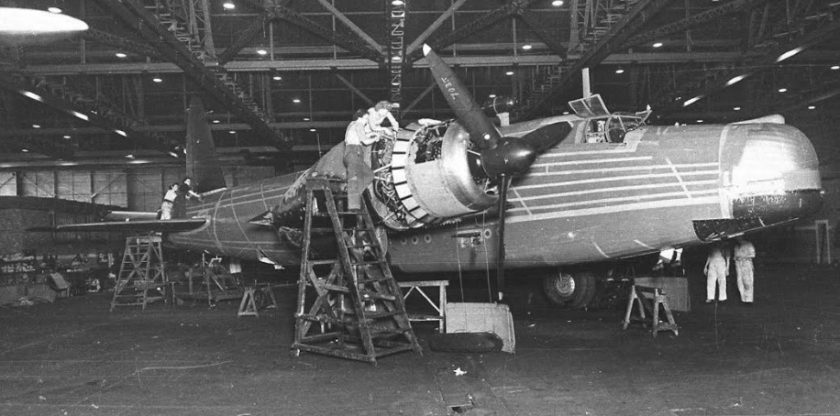
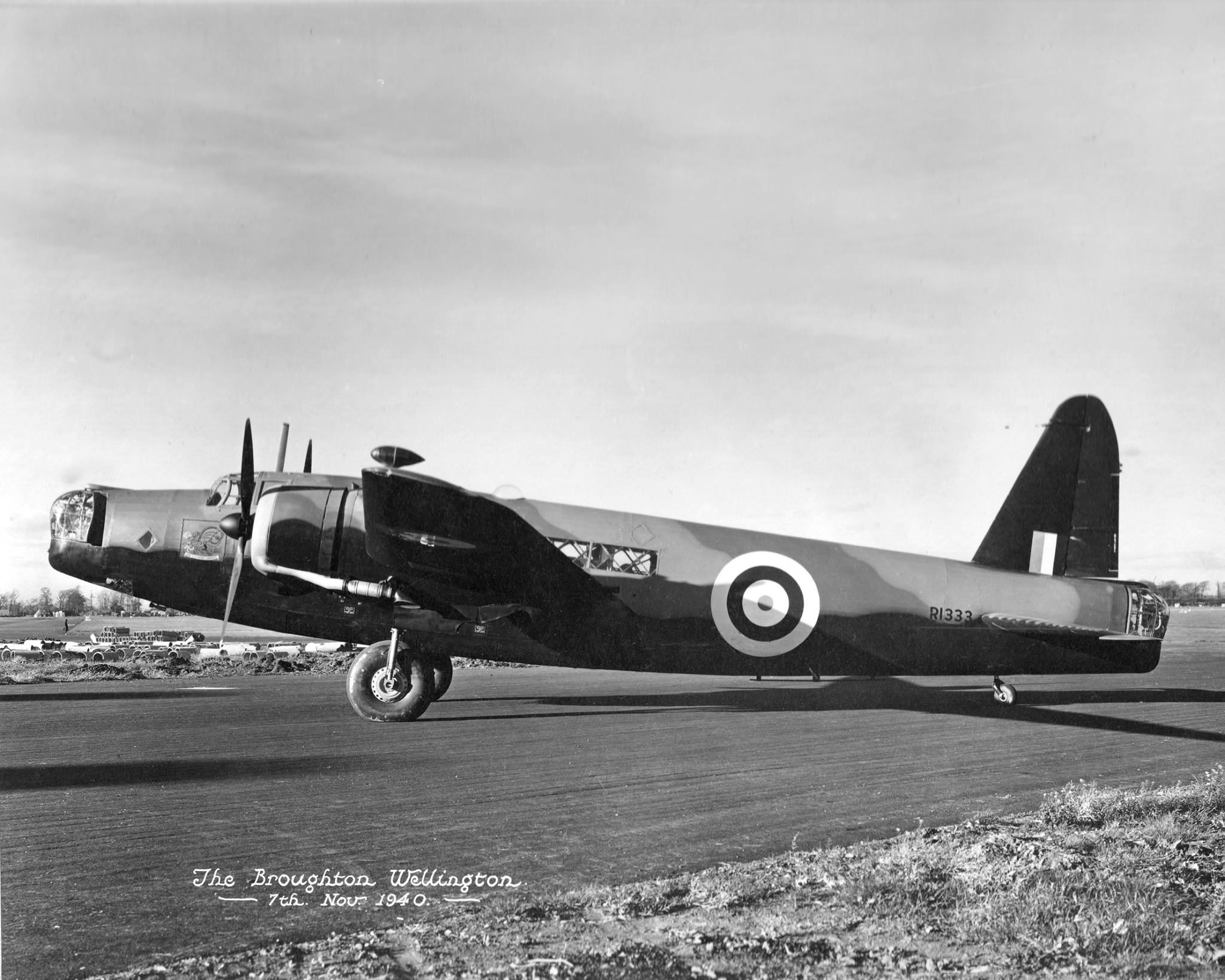
Photo of a bomber in mid production and an engineer working on the engine Photo of a bomber on the runway in Novemebr 1940

In the post-war era, this site evolved into what is now the Airbus UK factory, a pivotal element of Broughton's identity. This facility is renowned for producing wings for various Airbus commercial aircraft, including the A380 superjumbo, which underscores Broughton's ongoing contribution to the global aerospace industry. The village began to transform with the advent of the Industrial Revolution. The proximity to the River Dee and the development of transportation networks, including railways, facilitated the growth of industries in the region. By the 20th century, Broughton had become a focal point for aviation manufacturing. During World War II, the area saw significant development when a factory was established to produce military aircraft, notably the Vickers Wellington bomber.
In 1943 a group of aircraft engineers & workers came together to assemble, test and fly a Wellington Bomber aircraft in 24 hours. The factory is in Broughton, Wales UK and the challenge and success has never been surpassed since.

Credit: Charlie Dean & Andrew Forshaw

St Mary's Church, Broughton

Anglican Church within the new Borderlands Mission Area, St Asaph Diocese.

Sunday Worship: 10am

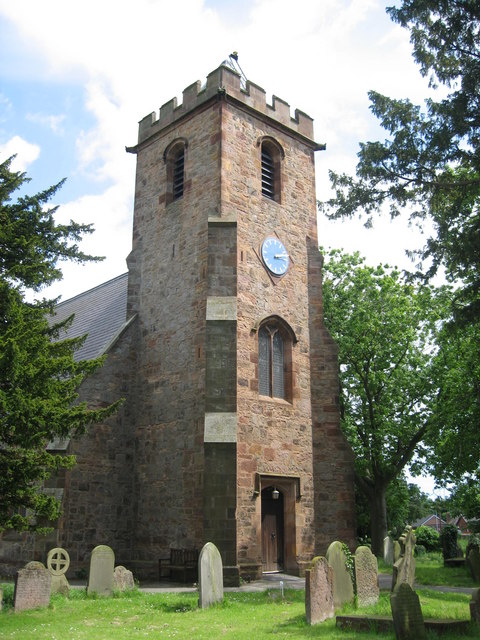
St. Mary's Church in Broughton, Flintshire, is a notable landmark with a rich history reflecting the village's cultural and spiritual heritage. This Anglican church is part of the Diocese of St Asaph and has served the local community for generations.

The current structure of St. Mary's dates back to the 19th century, although it stands on a site that has been used for Christian worship for much longer. The church was built to replace an older chapel and was consecrated in 1838. Designed in a Gothic Revival style, St. Mary's features traditional architectural elements such as pointed arches, ribbed vaults, and intricate stained glass windows that depict various biblical scenes. Inside, the church offers a serene and contemplative environment, with a nave that leads to a beautifully adorned chancel.

The interior includes memorials and plaques that honor local individuals and families, providing a tangible connection to the village's history. The wooden pews and ornate altar contribute to the church's historical ambiance, making it a place of both spiritual and historical significance.

St. Mary's Church has been a focal point for the local community, hosting regular worship services, weddings, christenings, and funerals. It also plays a vital role in community events and celebrations, reflecting its ongoing importance in the social and cultural life of Broughton. The churchyard, with its old tombstones and well-kept grounds, further enhances the historical charm of St. Mary's, making it a cherished landmark in the village.

St Mary's Facebook
Entrance to Saint Mary's Church in Broughton

Meet Our Sponsors, Local Businesses Supporting the Community

Meet

Broughton Park Shopping Centre Logo

Meet

Broughton Park Shopping Centre Logo

Meet

Broughton Park Shopping Centre Logo